Describe Alcohol Use Disorder and Its Risk Factors and Causes
Alcohol use disorder. Known risk factors include having.
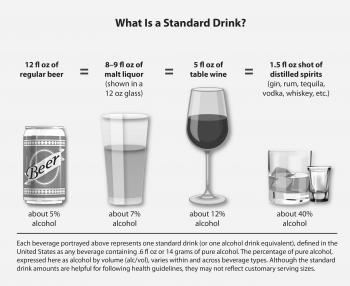
Introduction National Institute On Alcohol Abuse And Alcoholism Niaaa
For example some with schizophrenia claim that.

. Causes and Risk Factors of Alcoholism Alcohol addiction and physical reliance on alcohol occurs slowly. Adolescents in treatment for alcohol abuse or dependence reported higher rates of physical abuse sexual abuse violent victimization witnessing violence and other traumas compared with controls 54. Having a family member with a diagnosis of a substance use disorder increases the risk that one will be diagnosed with an alcohol use disorder or any substance use disorder.
Robin C Wackernah 1 Matthew J Minnick 1 and Peter Clapp 2. Alcohol use disorder or alcoholism is characterized as when an individuals alcohol drinking behavior affects their mental or physical health or causes distress or harm to their social and personal lives. Child abuse and other traumas have been proposed as risk factors for subsequent alcohol problems.
As a chronic relapsing brain disease symptom classifications can range from mild moderate to severe. These areas can regulate the experience of pleasure judgement and the ability to control hisher behavior. 23 approximately 40-70 of the risk of developing alcohol use disorder is attributed to genetics.
Alcohol use disorder AUD also known as alcoholism is a chronic neurobiological disease. There are several major risk factors that are associated with the development of any substance use disorder including an alcohol use disorder. Alcoholism has no single cause but rather there is a myriad of risk factors that can play a role in the development of an alcohol use disorder AUD.
Simply put there is no one factor or collection of factors that determine who becomes an alcoholic. Mediational Models Early research on risk factors in alcoholism tended to examine each one in isolation. External factors are the ones involving the family environment religion social norms culture education and job status.
There is no singular cause of alcoholism. Some of the most common risk factors include. When it comes to alcoholism there are both internal and external factors that contribute to its development.
Stress associating with others who abuse alcohol and having easy access to alcohol also contribute to a persons risk. Studies show that there is a genetic component to alcohol use disorder. House 1 Street 9 Banigala Islamabad Pakistan.
Find articles by Robin C Wackernah. Internal factors include genetics psychological conditions personality and drinking history. And antisociality had the highest levels of risk factors for developing alcohol problemspoor family environments and conduct problems and were also most likely to maintain this risk over time.
Depending on differences in body type or tolerance two people could drink completely different amounts of alcohol and react similarly. Alcohol use disorders AUDs are chronic and relapsing illnesses that contribute to around 4 of the global burden of disease Margolese et al 2004. It is suggested that drinking alcohol changes the functioning in certain areas of the brain.
Risk factors that contribute to an increased risk of alcohol use disorder include. Alcohol use disorder can be caused by a number of factors including genetic psychological and environmental. These factors interact differently in each person causing alcohol disorder in some and not in others.
Knowledge of these disease risks has helped in the development of low-risk drinking. In fact there are dozens of risk factors that play a role in the development of an alcohol addiction. Although the exact cause of alcohol use disorder is unknown there are certain factors that may increase your risk for developing this disease.
An individual with alcohol use disorder will continue to drink even negatively impacting their life such as losing a job or breaking up in a relationship. An uncontrollable urge to drink Lack of control over how much you drink Negative thoughts when youre not drinking alcohol Drinking in risky situations Drinking that interferes with things you. Both internal and external factors contribute to the development of alcoholism.
Nongenetic factors also play a critical role in alcohol use disorder. Many individuals with psychological illnesses turn to alcohol as a method of coping with their illness. Internal factors include genetics.
Explaining the Effects of Parental Alcoholism. 23 having a parent with alcohol use disorder increases the risk of developing alcoholism by 3 to 4 times and this is even seen in children adopted at birth by people who did. Pathophysiology effects and pharmacologic options for treatment.
1 Department of Pharmacy Practice School of Pharmacy Rueckert-Hartman College for Health Professions Regis University Denver CO USA. Rehm et al 2009The prevalence of 12-month and lifetime AUD DSM-5 has been reported to be 139 and 291 respectively Grant et al 2016AUDs increase the risk of many adverse consequences. If drinking disrupts major areas of someones life or if theyve tried to quit but failed they may be suffering from an AUD.
The most common disease categories that are entirely or partly caused by alcohol consumption include infectious diseases cancer diabetes neuropsychiatric diseases including alcohol use disorders cardiovascular disease liver and pancreas disease and unintentional and intentional injury. Causes and Risk Factors An alcohol use disorder can result from a combination of genetic environmental psychological and social factors many of which are still being researched. These risk factors interact uniquely in each individual and result in alcoholism in some but not in others.
These risk factors interact differently in every individual leading to alcohol use disorders in some and not in others. AUD is an indiscriminate disease that causes compulsive alcohol use and an inability to control intake as well as negative emotional and physical dependencies. The risk factors can be divided into two categories.
When diagnosed with AUD the need to drink regularly coupled with the incapacity to stop will often lead to a. Over time drinking alcohol changes the balance of. Binge drinking or drinking alcohol for extended periods of time a family history of alcohol abuse or substance use disorder a mental health problem such as bipolar disorder anxiety or depression spending time with friends who drink too much a history of trauma.
WHY NISHAN YOUR REHAB. The major risk factors include. Factors that increase the risk of this condition include depression or other psychiatric disorders and certain psychological traits including impulsivity and low self-esteem.
Teen Alcohol Abuse Risk Factors The Recovery Village

Factors Social Causes That Influence Alcohol Use

Alcohol Use Disorder Is A Major Risk Factor For Dementia

10 Health Risks Of Chronic Heavy Drinking Liver Disease Pancreatitis Cancer

What Is An Alcoholic How To Treat Alcoholism

Alcoholism Causes Risk Factors And Symptoms
Alcoholism Causes Risk Factors And Symptoms

Alcoholism Causes Risk Factors And Symptoms
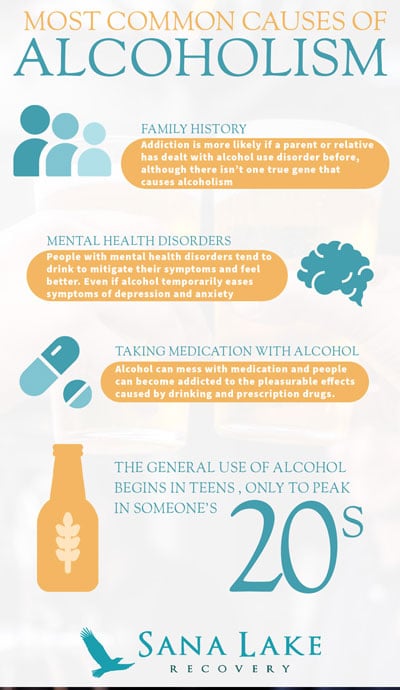
The 10 Most Common Causes Of Alcoholism Sana Lake Recovery Center

Drug Alcohol Addiction What Are The Factors That Play A Role

Alcoholism Causes Risk Factors And Symptoms

Alcohol Use Disorder Fact Sheets Yale Medicine
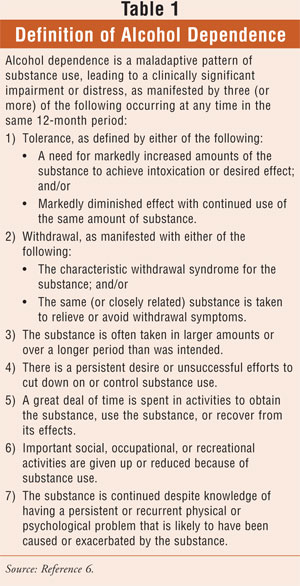
Alcohol Dependence In Women

Alcohol Related Health Conditions Alcohol Org Nz
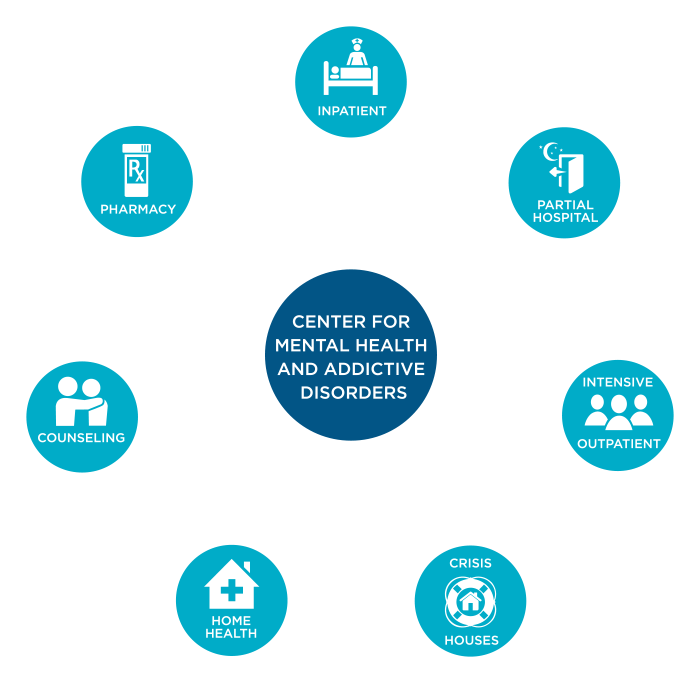
Different Types And Causes Of Substance Abuse San Diego Api
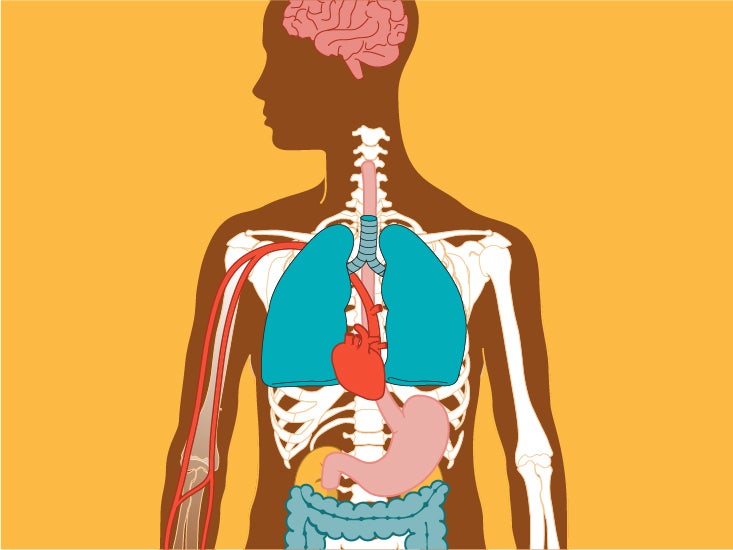
Effects Of Alcohol On The Body

Teen Alcohol Abuse Risk Factors The Recovery Village
:max_bytes(150000):strip_icc()/what-is-alcohol-5084430-Final-a3e75a0dd00b418e8a6b66fd6725f04b.jpg)
Alcohol Impact On The Body Health Benefits Proper Consumption

What Is An Alcoholic How To Treat Alcoholism


Comments
Post a Comment